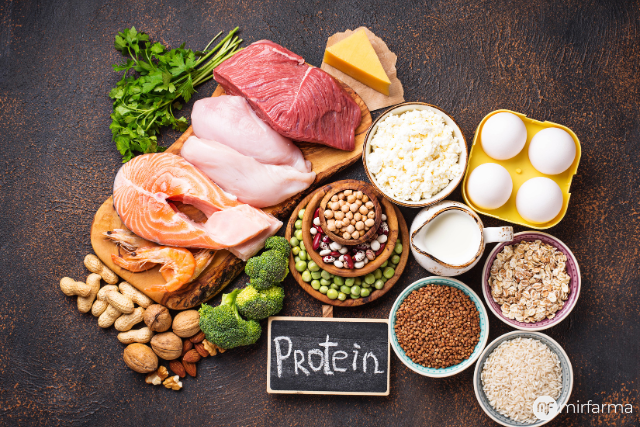
Protein is essential for muscle repair, tissue maintenance, enzyme production, and satiety. For active individuals, consistent protein intake supports recovery and long-term strength goals.
General guidelines suggest a range based on body weight and activity level. Sedentary adults may need around 0.8 g per kg of body weight, while people who train regularly often benefit from higher intake spread across the day.
Distributing protein across meals is often more effective than consuming most of it in one sitting. Each serving triggers muscle protein synthesis, and regular pulses support recovery over longer training cycles.
Consumers now evaluate protein products beyond total grams—source quality, digestibility, taste, and clean-label positioning drive purchase decisions.
The protein category has expanded into ready-to-drink shakes, bars, fortified snacks, and clear whey beverages. Convenience and palatability are critical for repeat use.
Mirfarma supports protein powders, liquids, and functional formats for brands scaling in sports nutrition and wellness.
Explore more insights from Mirfarma.







Mirfarma provides contract manufacturing and packaging services for dietary supplement brands across global markets.